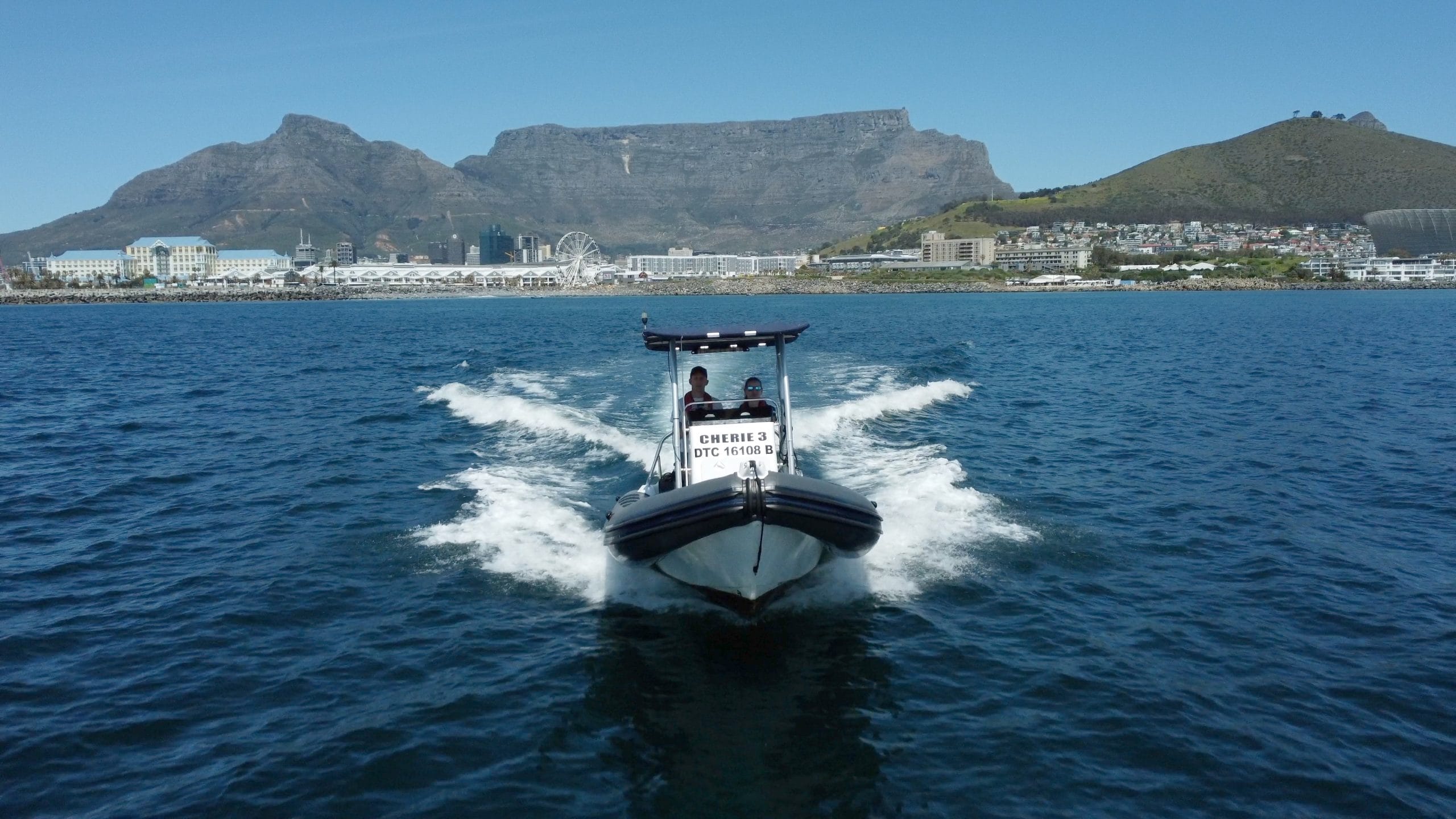

A common concern among prospective students is whether starting superyacht training in May or June places them at a disadvantage when entering the industry. Many assume that by this point in the year, most opportunities have already been secured and that they have missed the ideal window to begin. In reality, this is not the case. While the nature of available opportunities changes as the season progresses, there are still clear and viable pathways into the industry for those who begin their training during this period.
Understanding the Mediterranean Season Timeline
The Mediterranean season typically runs from April through October, with the highest volume of recruitment taking place in the months leading up to the start of the season. By May and June, many yachts have completed their core hiring; however, this does not mean that recruitment has stopped altogether.
Yachting is a dynamic industry where crew turnover is common. Contracts change, crew move between vessels, and not every placement is successful. In addition, practical challenges such as visa delays or unsuccessful visa applications can prevent crew from joining yachts on time, which often creates last-minute gaps that need to be filled quickly.
As a result, there is a consistent demand for trained and available crew throughout the season, particularly for those who are ready to step in at short notice.
Opportunities Available During May and June
Students who complete their training in May or June can still access a range of opportunities, although these may differ from early-season placements. Mid-season vacancies are one of the most common entry points during this time. Yachts often require replacements at short notice, and candidates who are fully trained and immediately available are in a strong position to be considered.
Day work also becomes a particularly valuable route into the industry. It allows new crew to gain onboard experience, build confidence, and establish relationships with captains and crew members. These connections frequently lead to longer-term opportunities.
In addition, charter yachts entering their busiest period may require additional support. This creates further openings for motivated and prepared crew members who can contribute effectively.
Positioning for the Caribbean Season
Starting training in May or June also provides a strategic advantage for the next major hiring cycle. The Caribbean and United States season begins in November, with recruitment typically increasing from September onwards.
This timeline allows students to complete their training, gain initial experience, and refine their CV before entering the market for Caribbean placements. By the time recruitment begins, they are no longer new to the industry and are better positioned to secure roles.
The Value of Preparation Over Timing
While timing does play a role in the yachting industry, preparation remains the most important factor in securing employment. Captains and senior crew are looking for individuals who demonstrate professionalism, competence, and an understanding of onboard expectations.
Students who complete their training in May or June and approach their job search with the right level of preparation can still access meaningful opportunities. In many cases, they benefit from having more time to develop their skills and present themselves effectively.
Beginning yachting training in May or June does not limit your potential to enter the industry. Instead, it requires a slightly different approach to timing and opportunity. Whether through mid-season placements, day work, or preparation for the Caribbean season, there remains a clear and achievable pathway forward. With the right training and mindset, starting at this time of year can still lead to a successful and rewarding career in yachting.