By Matti Buys, Senior Instructor at SuperYachting South Africa
Watersports have always been part of the superyacht experience, but what guests expect from their time on the water has changed considerably over the years. Fifteen years ago, guests may have been happy with a jet ski and an inflatable. Today, they are often looking for far more. They want memorable, adventure-filled experiences, and they expect those experiences to be delivered safely, professionally and at a level that matches the standard of service they receive everywhere else onboard.
For modern deck crew, this has changed the value of watersports skills. Crew who can combine strong seamanship and boat handling with the ability to instruct and manage watersports activities bring an additional level of versatility to a yacht. For many modern superyachts, having crew who can seamlessly move between these responsibilities can be a major competitive advantage and, ultimately, allow the vessel to run a much more streamlined deck operation.
Guest expectations have changed
The role of a watersports instructor on a superyacht is very different from coaching someone in a purely sporting environment. You are often dealing with guests of completely different ages, abilities and confidence levels. Some may have years of experience behind a boat, while others may never have wakeboarded, wakesurfed or waterskied before.
My philosophy is to create an experience that feels effortless and enjoyable, with as little friction as possible for a first-time rider or skier. From the moment a guest steps onto the swim platform to the moment they are up and riding, the process should feel calm, professional and confidence-inspiring.
One of the most important things to understand as an instructor is the difference between coaching somebody on a superyacht and coaching an athlete. On a yacht, our role is not necessarily to maximise performance. It is to deliver an unforgettable experience.
Some guests simply want to enjoy a fun holiday activity, while others may be eager to challenge themselves and progress further. Being able to recognise those different motivations and adapt your coaching accordingly is essential.
When guests feel safe, supported and never pressured beyond what they are comfortable with, they are far more likely to leave the water smiling, confident and excited to go again.
The person behind the wheel can make or break the session
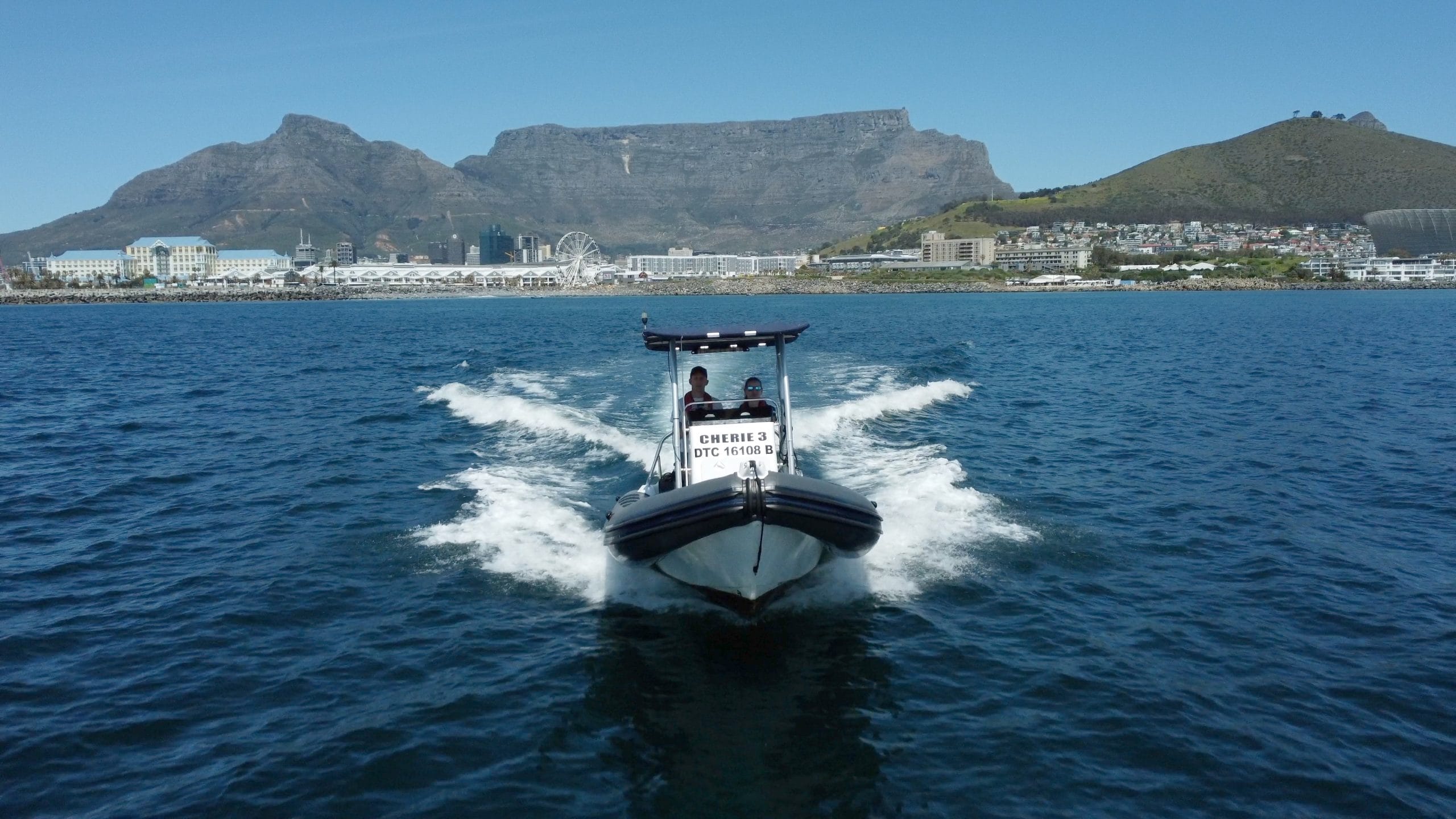
Boat driving is a significant part of the Superyacht Watersports Instructor course, and there is a good reason for that. From my experience as both an athlete and instructor, the boat driver is a huge contributor to the success of any watersports session.
Firstly, a good boat driver automatically lowers the risk profile. Secondly, a driver who can remain consistent decreases the number of variables the rider has to deal with. This gives the rider a more controlled environment in which to apply feedback from the instructor and develop their ability.
Elements such as maintaining the correct speed, adjusting turns, executing seamless pick-ups and selecting the right riding area can make or break someone’s session. The difference between an average watersports driver and an excellent one is therefore not simply whether they can operate the boat. It is how consistently they can create the right conditions for the rider while maintaining awareness of the environment, safety and everything happening around them.
Learning to drive proactively rather than reactively
One of the most common things we see when people first begin towing or instructing watersports is boat drivers who operate very reactively. They allow the environment and the rider to dictate their decision-making process. Instead, during SYWI we focus on changing that mindset and developing a much more proactive approach to driving.
Thinking two steps ahead and anticipating the rider’s movements and the surrounding conditions makes life as a driver considerably easier and safer. This is one of the broader concepts we look to pass on to our students during SYWI. Good driving involves constantly thinking about what is likely to happen next rather than simply responding once it has already happened.
That ability to anticipate becomes particularly important when you are operating in a professional yacht environment, where the driver needs to consider the rider, the vessel, other traffic, the conditions and the overall guest experience at the same time.
Why watersports experience is increasingly valuable for deck crew
We are increasingly seeing superyacht vacancies asking for crew with watersports experience and instructor qualifications, particularly on busy charter yachts. As I mentioned earlier, guest expectations have evolved, and so has the role of modern deck crew. Today’s charter guests are not simply looking for a luxury yacht. They are looking for memorable experiences.
Watersports have become a major part of that experience, and owners and charter brokers recognise the value of having crew who can deliver these activities safely and professionally. A crew member with watersports experience brings much more than the ability to drive a tender or scrub teak. They understand how to assess conditions, manage risk, adapt their coaching to different ability levels and create an environment in which guests feel safe, confident and excited to get involved.
From an operational perspective, having a multi-skilled crew can also make the yacht more efficient. Vessels are limited as to how many crew they can have onboard. Having a deck team that can confidently launch, maintain and supervise a wide range of watersports activities, while still maintaining the high standards of service and maintenance expected on a busy charter yacht, is a big asset to any vessel looking to build a competitive advantage in the charter business.
Watersports skills need to extend beyond riding ability
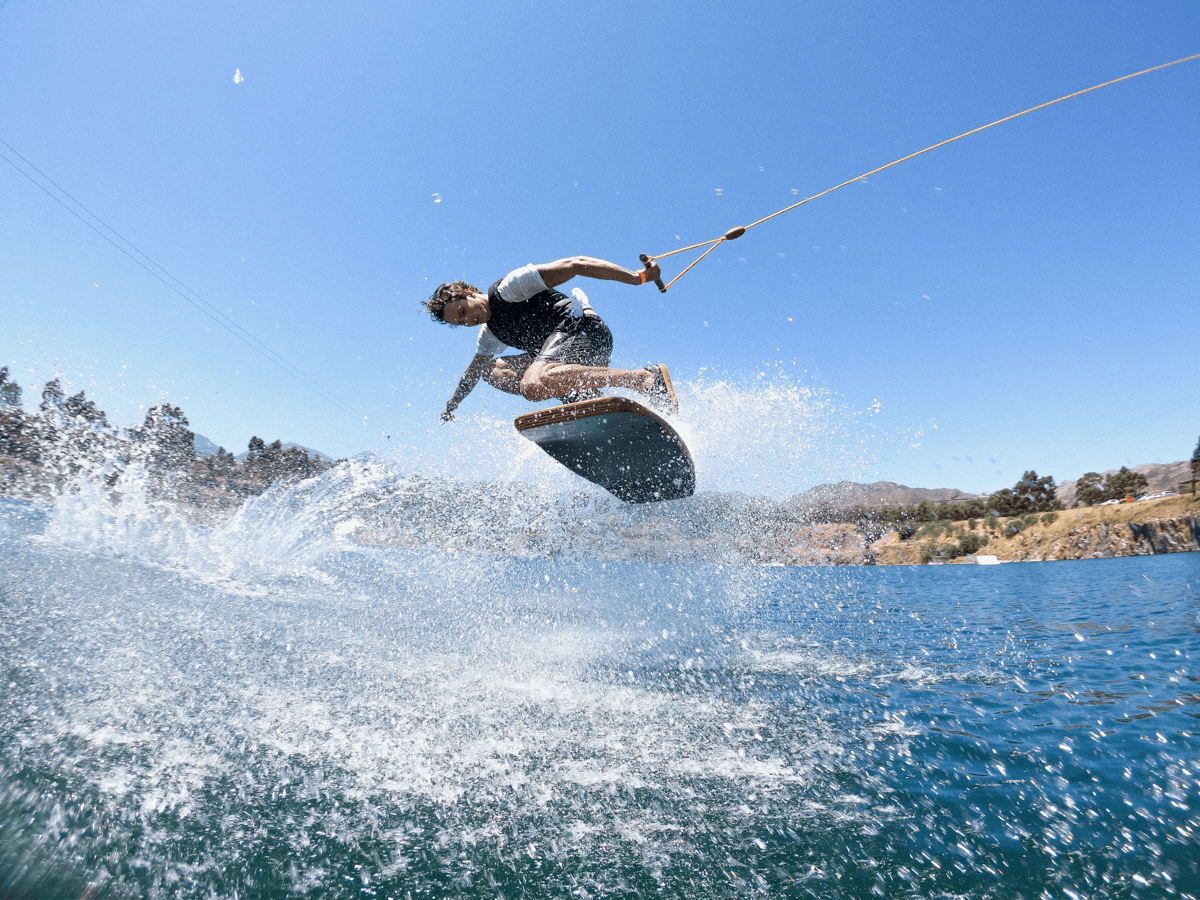
Being capable on a wakeboard, wakesurf board or foil is valuable, but delivering watersports professionally involves a much broader skill set. A competent instructor needs to understand how the boat influences the experience, how to assess and manage risk, how to communicate with different guests and how to adapt the session according to someone’s ability and expectations. That is why the SYWI course focuses on the complete watersports operation rather than simply teaching somebody how to participate in the sports themselves.
We want crew to understand how all of the elements work together, from the person behind the wheel to the instructor communicating with the rider and the decisions being made around safety and conditions. Ultimately, the goal is to create crew who can approach a watersports session with a professional understanding of the entire operation.
What I want students to leave SYWI able to do
For somebody who is already working as a deckhand and wondering whether SYWI is worth adding to their qualifications, I see the course as a great skill builder for both green and experienced crew. By the end of the five days, we hope students are proficient in inboard vessel driving, wakeboarding, wakesurfing and wake foiling, as well as understanding the safety considerations and risks involved in towing inflatables.
The SYWI course therefore gives students an inclusive skill set covering the relevant towed watersports they are likely to encounter. It also carries SAWWF accreditation, so it is not simply a self-manufactured certificate. Its content has real-life watersports application with governing body recognition.
It is the only one of its kind in South Africa and in most of the world.
For me, however, the value of the course ultimately comes back to practical capability. The aim is for students to leave with a stronger understanding of how to drive, instruct, anticipate, manage risk and create the kind of professional watersports experience that modern yacht guests increasingly expect.
As guest expectations continue to evolve, having crew who can combine seamanship, professional boat handling and watersports instruction gives a deck team greater flexibility. For individual crew members, developing those skills can add another practical dimension to what they are able to contribute onboard.