The superyacht industry is becoming increasingly competitive, particularly at entry level. Every year, thousands of aspiring crew complete their basic qualifications and enter the job market hoping to secure their first position. While foundational training remains essential, many candidates eventually reach a point where they need to consider how they can differentiate themselves from other applicants.
One qualification that continues to stand out within the industry is the RYA Personal Watercraft Instructor (PWI) qualification.
As guest expectations continue to evolve and yachts place greater emphasis on delivering exceptional onboard experiences, crew who can safely manage and operate personal watercraft are becoming increasingly valuable. For aspiring and existing deck crew, a PWI qualification can provide a practical way to expand their skill set while increasing their value to potential employers.
Why guest experience has become more important on modern superyachts
The role of deck crew has evolved significantly over the years. While traditional deck responsibilities such as maintenance, line handling, washdowns, and tender operations remain critical, many yachts now expect crew to contribute directly to guest activities and experiences.
Guests chartering luxury yachts increasingly expect access to a wide range of water toys and activities. Jet skis, seabobs, wakeboards, towables, and other recreational equipment have become standard features on many vessels.
This shift has created demand for crew who can do more than maintain the yacht. Captains and owners are looking for individuals who can confidently assist guests, supervise activities, and ensure that watersports operations are conducted safely and professionally.
As a result, qualifications that support guest-facing operations have become increasingly valuable during recruitment.
What does a Personal Watercraft Instructor actually do?
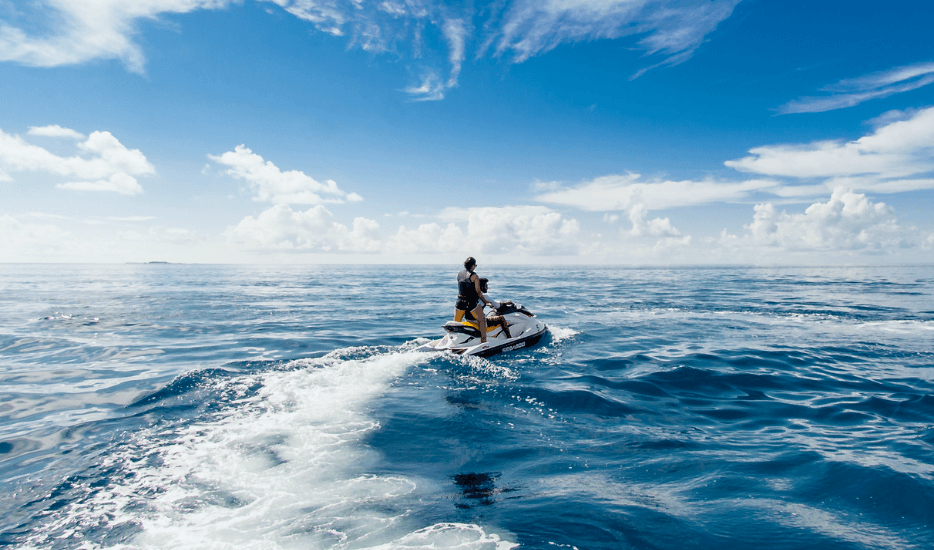
A Personal Watercraft Instructor is responsible for more than simply operating a jet ski. The role involves understanding how to manage personal watercraft activities safely while ensuring guests have an enjoyable experience. This includes conducting safety briefings, supervising riders, assessing conditions, understanding operating procedures, and responding appropriately to potential risks.
On many yachts, the crew member responsible for personal watercraft becomes a key part of the guest experience. They are often the person introducing guests to jet skis for the first time, assisting nervous riders, and ensuring activities run smoothly from start to finish. The ability to perform these responsibilities confidently requires a combination of technical knowledge, safety awareness, communication skills, and practical experience.
It’s important to note that in areas like the Mediterranean it is compulsory to have a temporary PWC Safety license should guests want to make use of the Jet Ski’s. Only qualified RYA Personal Watercraft Instructors can issue these licences if their vessel is a registered RYA Training centre. Meaning, that if a vessel does not have a qualified PWI on board the guests will not be allowed to make use of the skis.
Why PWI Qualifications stand out during recruitment
One of the most effective ways to evaluate which qualifications add value is to look at the types of skills yachts are actively seeking. When reviewing job opportunities across the industry, it becomes clear that employers are looking for crew who can contribute to onboard operations immediately. While every deck crew member is expected to have foundational qualifications, additional skills that directly support guest activities can help candidates stand out.
A PWI qualification demonstrates that a candidate has invested in developing a specialised skill set that aligns with modern yacht operations. It shows initiative, professionalism, and an understanding of the industry’s growing focus on guest experience.
For captains and senior crew reviewing applications, this can be an attractive differentiator, particularly when comparing candidates with similar levels of experience.
How PWI supports career progression for deck crew
The value of a PWI qualification extends beyond securing a first position. As crew progresses through their careers, additional operational skills often lead to greater responsibility onboard. A deckhand who can confidently manage personal watercraft activities, assist with guest engagement, and support watersports operations becomes a more versatile and useful member of the team.
This versatility can open doors to further opportunities and may create pathways towards other specialist roles within the industry.
For crew interested in developing expertise in watersports, a PWI qualification can also complement other advanced certifications such as Superyacht Watersports Instructor (SYWI) and other guest-focused qualifications.
Is a Personal Watercraft Instructor Course worth it?
The answer depends on your career goals, but for many aspiring yacht crew, the qualification offers clear benefits.
Unlike some additional certifications that have limited relevance to onboard operations, a PWI qualification provides skills that can be applied directly on many modern yachts. It aligns with current industry demands, supports guest activities, and demonstrates a willingness to take on additional responsibility.
There can also be practical operational advantages for yachts that carry qualified Personal Watercraft Instructors. Some vessels operate as recognised training centres or offer structured personal watercraft training programmes for guests and crew. In these environments, having appropriately qualified personnel on board can be an important part of maintaining training standards and supporting safe operations.
Most importantly, a PWI qualification provides practical value rather than simply adding another certificate to a CV. The most successful crew members are often those who focus their training on skills that yachts genuinely need. As guest expectations continue to evolve and watersports remain a major feature of the superyacht experience, crew with recognised personal watercraft qualifications are likely to remain highly valuable within the industry.
Building skills that add real value onboard
One of the most common mistakes aspiring crew make is assuming that more qualifications automatically lead to better employment prospects. In reality, strategic training is often more important than accumulating certificates. The strongest candidates are those who build a solid foundation through core qualifications and then add advanced skills that reflect current industry demand.
A Personal Watercraft Instructor qualification is a strong example of this approach. It supports guest experience, enhances operational capability, and demonstrates a commitment to professional development within the industry. For crew looking to build a more competitive CV and increase their value onboard, it remains one of the most practical and relevant advanced qualifications available today.